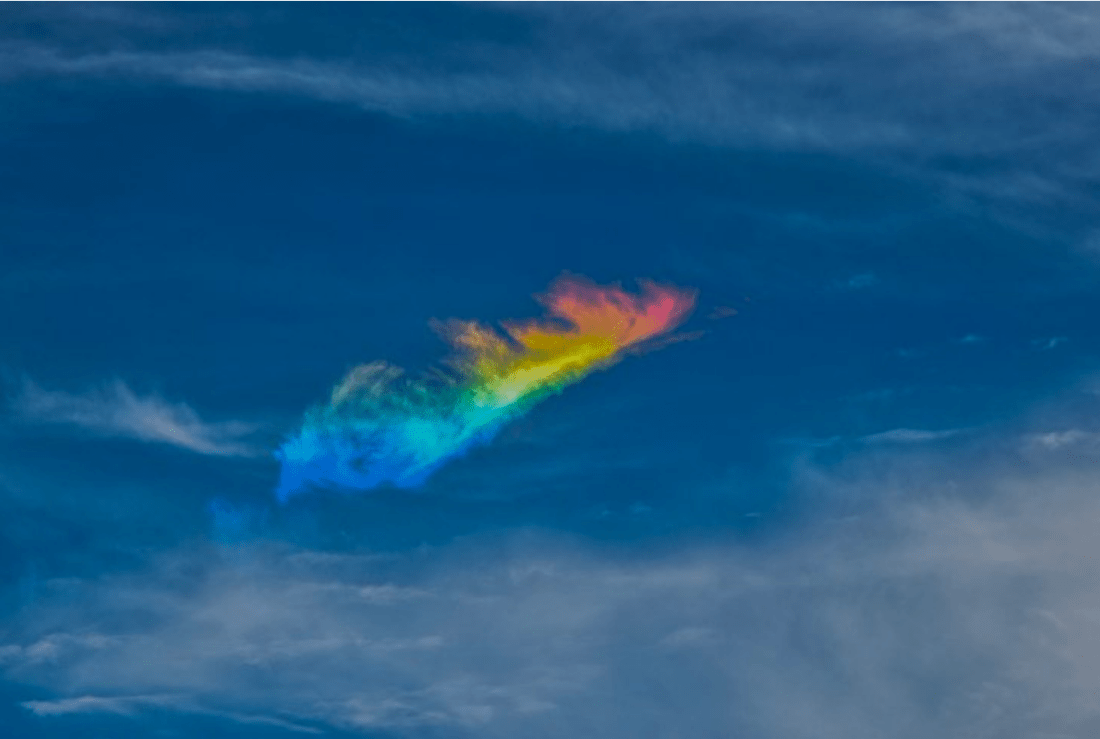
Dawa Tseka Moon

Dawa Tseka 10-24-2003

It is dawn. Lama calls me outside, “You come and see my favorite moon!” He takes me outside. I am barefoot and the cold ground bites at my heels. It is crisp and the frost sparkles in the morning light. I can see my breath. He points up to the clear blue sky. There is a sliver of the moon, like a perfect U. “This kind of moon is very special. When you see this moon, then you must imagine that the moon comes to touch and decorate your top knot, OK? This is called the dawa tseka.”

“It looks like the Chandra in the HUNG,” I say. He nods.

Bone Divination

Notes from my diary: Sept. 6 -2003,

Edit “Bone Divination”

Lama picks out the neck bones from the soup. I had bought a lamb’s neck the other day on a whim, to make bone soup. He says, “In the T’hroma we have to care about the neck bones as well as the bones (of the limbs).” I’m not sure what he means, so I wait for him to continue.

He hands me the knife and tells me to clean off the meat. “We will see how your capacity is. Now you take off all this meat and lets see how you do.” I begin to carve pieces of meat off the bone.

“Rinpoche is always careful about taking off all the meat from the bones. This is why.” I remember watching Rinpoche take out his jack knife and peel off strips of tendons, meat, all the way to the bare bones.

“I thought that was a cultural thing.” I mused. I grab the bones with my bare hands to get a better grip. It is very hot still, but I can get into the nooks and crannies.

“No, its not cultural. He is looking to see the signs.” I still don’t understand what he means. Finally, I’ve stripped away enough meat and he takes the bones in his hands and looks carefully at it.

“What part of the neck do you think it is? I think it is the 4th bone. Look here, you see how they are like the Garuda’s wings? But we can’t see the head yet.” I am getting interested. He goes on to explain how bones are very important substances that have a lot of energy, like blood. In the T’hroma there is a kind of divination of sorts, a way of reading signs and omens, by looking at the shape of the bones from what you have eaten. He explains how Rinpoche is always checking the signs in the bones and that this is a very complex and deep subject.”Now we will cook this until the bones are completely cleaned. Then we will check to see what your capacity is to do the T’hroma.” Now I begin to understand, but I still ask, “But I just bought that at the store. I didn’t have any thought about getting bones for checking.”

“Why you went to that store, and why you bought that particular bone? You could have picked any one, but you picked that one. Why? Everything has some meaning if you know how to look. You not picked a tail bone, no, that would not be a good sign. The neck bone, they have special meaning. Now when we cook this we have to check the shape. All bones are having the shape and signs. If there are eyes (holes) on the Garuda’s wings, then I really know I don’t have to worry about you at all. You are getting the Troma’s full accomplishment.”

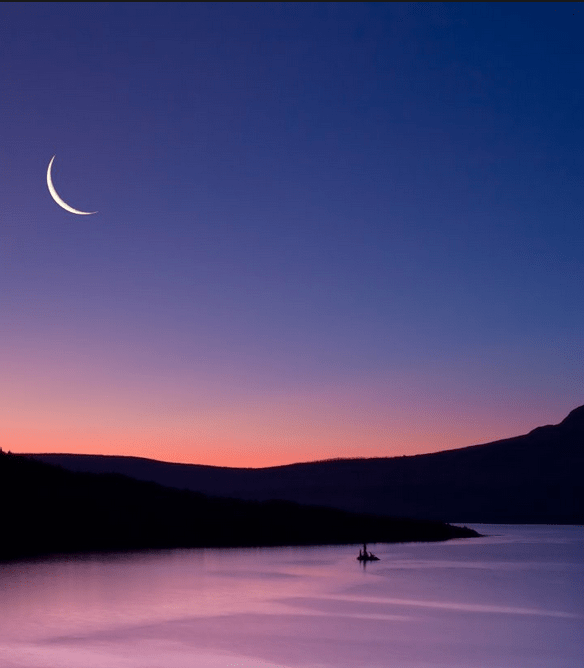
The Yogini Who Attained the Rainbow Body

From my dairy: Aug. 1, 2001

I heard Lama quietly chanting to himself. I glanced over at him. The sunlight streamed in through the window and bathed him and the text. My eyes were drawn to the fine, delicate calligraphy, black with red strokes so even and precise. It was written on pecha with darkened edges from dirty fingers turning the pages over again and again.

He laughs out loud. “This is Meng-ngak. This is very fantastic. Here, in only two pages, is instruction on how to recognize yourself as Togden.” I was quiet, waiting for him to continue. “By doing this practice, you can recognize the stage of the Vidyadhara; how to tell what stage you are on.” He flips the page over and continues to read. Then he looks at me.
“This was written by one Ani. She did this practice and she attained the rainbow body. When she died, she stayed in Tugdam for over 14 days. Then her body shrank, but her head stayed big. Rainbows were everywhere.”

“Where was this?” I asked, enchanted. “Who was this Ani?”


“Tiki Zangmo. She was a student of Rigsang Dorje Rinpoche. She spent her whole life with the Lama. She was a good friend of my fathers. She knew me since I was crawling. Rigsang Dorje Rinpoche and she used to come to our Monastery in Dolpo. I was very young then. I used to always go to his seat and piss. She would get very upset with me. She called me ‘the one with eyes like saucers’. When she would find me in Rigsang Rinpoche’s bed she would yell ‘Oh, no, he is pissing in Rinpoche’s bed!” he laughs. “The next time I saw her was in Kathmandu. She was very old then.”

He continues to read her text for awhile, then says, “She used to carry a stack of texts with her wherever she went. This was her daily practice. She wrote this herself from instructions she got from her Lama, Rigsang Rinpoche. Then she took them to Dudjom Rinpoche. She asked him for more teachings on them. She said she had taken these teachings from Rigsang Dorje, and she wanted to receive them with Dudjom Rinpoche. He asked to see her texts. He was very surprised. ‘You wrote this?’ He was very surprised because she was a Nepali, but her Tibetan handwriting was so fine, so perfect.

After she passed away, I was given some of her texts and took these two pages. No one knew what practices she was doing. These two pages are the essence of all the Mahamudra and Dzogchen. Very high teachings. She did this practice everyday. She was perfect practitioner. Then she got the rainbow body.”